Texas, USA

Blink Energy Services provides independent capital improvement c...


Lower project costs and simplify the entire incentive process.

Energy assessments help owners understand how their buildings use energy and identify areas for improvement.
.webp)


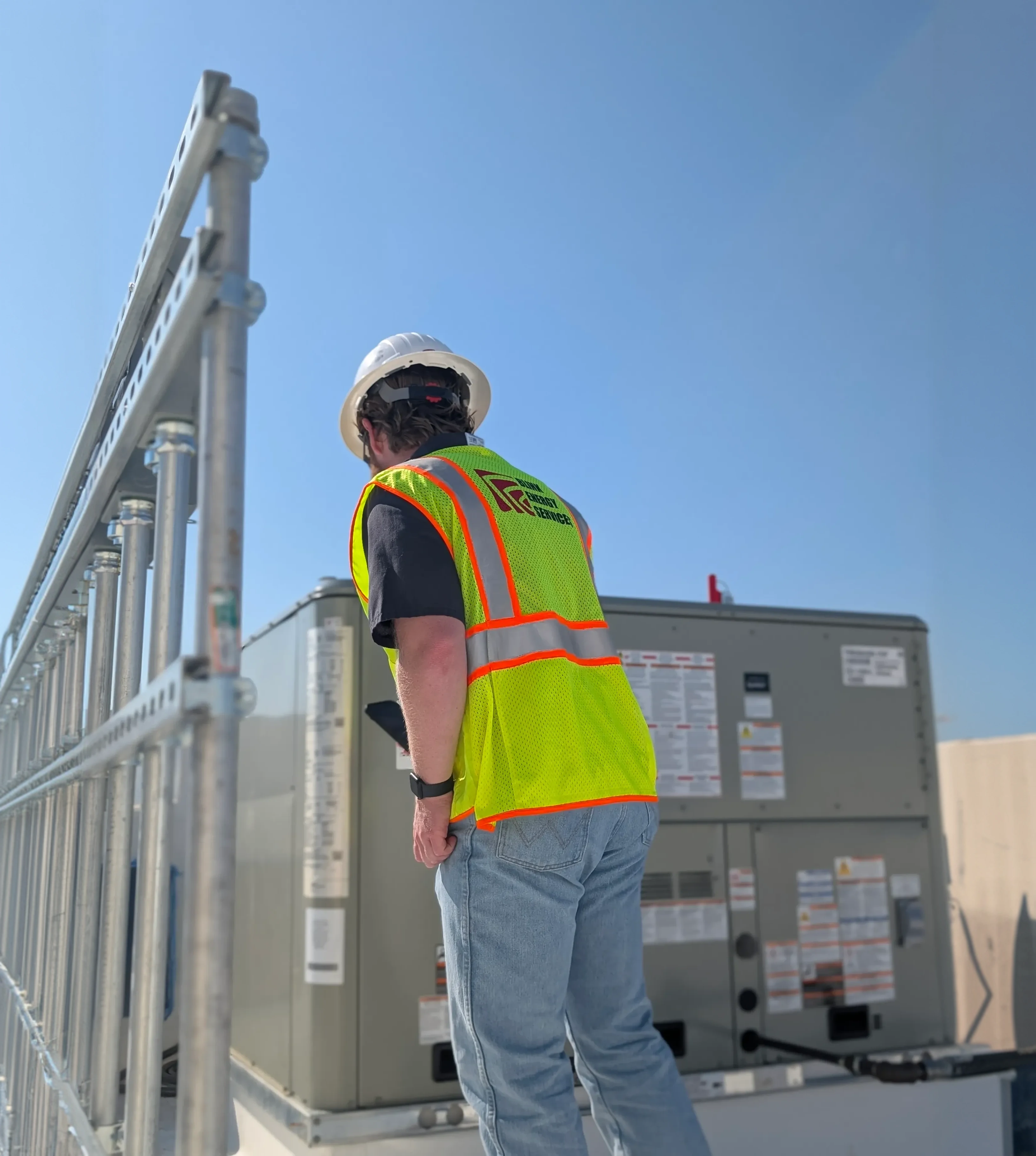
Blink Energy Services provides energy experts to evaluate systems, operations, and comfort concerns, identifying upgrades that deliver the best value.
.png)
WHAT YOU RECEIVE
We support planning, budgeting, and documentation for incentive and financing programs, such as PACE financing and SECO Lone Star funding. These services help owners modernize aging systems, improve performance, and reduce long-term operating costs.

Targeted upgrades and operational changes are identified through the assessment.

Opportunities ranked by impact, including low-cost operational improvements.

Clear estimates that help compare opportunities and prioritize next steps.

Documentation to support capital planning for incentives or financing programs.
WHAT WE EVALUATE
Depending on building type and scope, Blink Energy Services evaluates how systems, operations, and occupant experience affect energy performance. Energy experts focus on opportunities that deliver the greatest benefit with the least upfront cost.

Mechanical system condition, performance, and operating schedules.


Outside air levels, ventilation operation, and comfort impacts.

Lighting systems and related energy use patterns.

Walls, roofs, windows, and other envelope elements that influence energy use.

Utility trends and maintenance practices that affect energy efficiency.

Hot and cold areas, comfort concerns, and feedback from occupants or facility staff.
WHEN IS IT USEFUL


WHAT WE NEED
The process usually starts with assessments from energy specialists to understand how the building is used, along with key information that helps define the scope and assess priorities.

General details about the building, its use, and operating characteristics.

Historical energy consumption data to identify trends and patterns.

Available information on major systems, equipment, and controls.

Known issues such as hot or cold areas, ventilation concerns, or performance challenges.

Input from occupants or facility staff to understand day-to-day conditions.
.jpg)

Energy assessment services are available across Dallas–Fort Worth, Austin, San Antonio, Houston, and statewide.
.png)
NEED HELP?

An energy assessment is a structured evaluation based on ASHRAE principles. It identifies opportunities for improvement, but it is presented in plain language and is tailored to practical decision-making. An audit is often more detailed and used for projects that require advanced modeling or investment-grade documentation.
Most assessments are completed within a week, from the initial call to the site visit. The complete review depends on building size and the available data.
Utility data helps energy experts identify patterns and confirm savings estimates, but it is not required to begin the process. Blink Energy Services can begin with basic information and collect the remaining details later.
Yes. Comfort concerns, such as hot and cold rooms, drafty areas, and inconsistent ventilation, are evaluated as part of the assessment.
Many financing and funding programs require documented savings opportunities. Assessments often serve as the first step in preparing those documents.
No. Blink Energy Services only provides independent evaluations and recommendations.
Energy Assessments

Building Energy Performance
Utility Incentives and Funding
Energy-Saving Opportunities
Capital Planning Support
Comfort and Efficiency Solutions
Energy Assessments
Building Energy Performance
Utility Incentives and Funding
Energy-Saving Opportunities
Capital Planning Support
Comfort and Efficiency Solutions